We may earn a commission when you shop through links in this article or on our store pages, at no extra cost to you.
The easiest way to make your first padel game expensive is to buy the racket before finding people to play with. A bat in the cupboard is no substitute for a court you can reach after work and three other people who can make the same time.
What is padel?
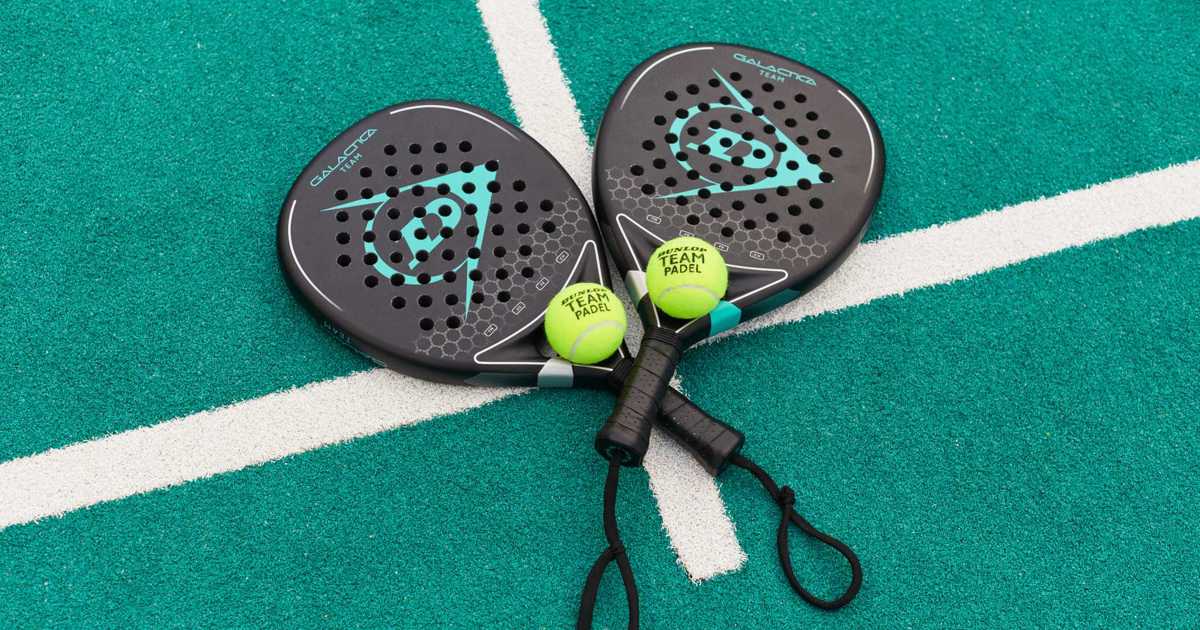
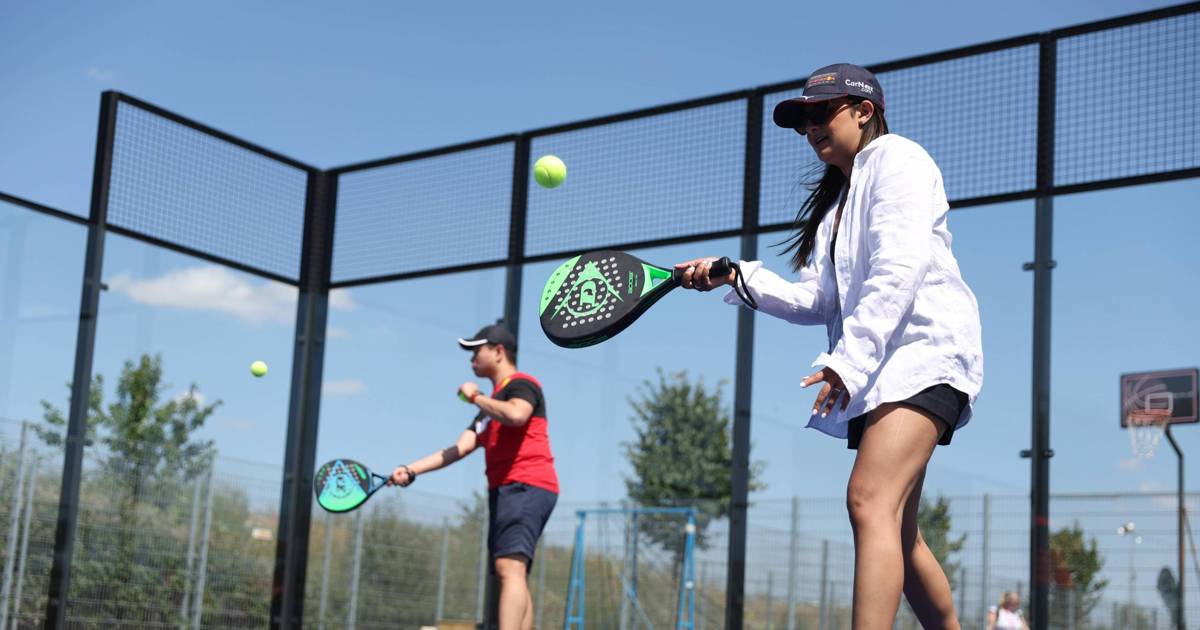
Padel is a racket sport played mostly as doubles on an enclosed court roughly 25% smaller than a tennis court, with glass walls you can play the ball off once it has bounced. The LTA's beginner guide describes it as a mix of tennis and squash: points start with an underarm serve, the scoring is the same as tennis, and the bat is shorter than a tennis racket but thicker, made of foam with holes drilled through the face.
Why is everyone suddenly playing it?
Because it's quick to pick up and very sociable, and Britain has caught on fast. In May 2026 the LTA said one million people were playing padel in Britain, on 1,825 courts at 551 venues, up from 15,000 players in 2019. In the UK, "padel" is searched about 135,000 times a month and "padel near me" about 49,500 (Google Keyword Planner, October 2026).
Why should you care before buying anything?
Because the cost that adds up is court time, not kit. Most venues hire out rackets and balls, a court is usually shared four ways, and a racket bought before you've found a regular game is the one that ends up in the cupboard.
The short answer: a beginner session or a game with borrowed equipment comes first. Once you know you want to go back, the shopping decision becomes much easier: a modest Kuikma (£34.99 at Decathlon in September 2026) can get you started, while a  MantisMantis SportThis is Mantis, a tennis and padel brand founded in London in 2000 and built for committed club and park players. You get rackets, balls, bags and apparel designed to help your gamBuying guide · View store → (£79.99) is worth considering when you have tried enough rackets to know what you like. The sports shops we cover are on our Sports & Outdoors page.
Where do you find a game you can repeat?
The LTA court finder is the place to begin, followed by the individual venue's timetable. An introductory session is useful if you do not already have a group, as long as the booking says whether it includes coaching, equipment and other players.
For a private booking, the useful questions are whether the quoted price covers the whole court or one person, what racket hire and balls cost, when the cancellation deadline falls and, outdoors, what happens when rain makes play unsuitable. Those answers matter more to your first month's cost than a discount on a premium bat.
You can leave most of the shopping until later
The LTA beginner guide says most venues have rackets and balls available to hire. It's worth confirming before setting off. Comfortable sports clothes, the venue's footwear advice, water and enough time to sort the equipment out cover the rest.
The balls to use are the ones the venue supplies or specifies. They look like tennis balls, but the LTA explains that they have lower pressure. A tennis ball found at the bottom of a bag is not the obvious saving it appears to be.
Learn just enough to keep a rally going
Padel is usually doubles. The point begins with an underarm serve, sending the bounced ball diagonally into the opposite service box. During a rally, a ball can rebound from the glass after landing in the court, and you must return it before a second bounce.
The enjoyable bit is giving yourself time to learn that rebound. For your first session, keeping the ball in play and communicating with your partner are worthwhile ambitions. You can add speed later.
The LTA rules page explains the scoring, service faults and wall rules, including the difference between glass and the metal cage on a serve. It's worth reading before getting competitive about a disputed point.
What will a game cost each of you?
The venue's live price goes into this sum:
Your share = court charge ÷ number of players + your equipment hire + your travel.
For illustration, a £40 court divided between four people is £10 each before hire and travel. That £40 is a worked example, not a UK average or a bookable offer. Coaching sessions and organised socials may have their own per-person price.
The times you can actually attend matter most. An off-peak bargain is only useful if your group can get there. A nearer court with a slightly higher headline price might also leave you spending less on transport.
When buying a racket starts to make sense
A racket of your own gives you consistent equipment, but it need not be an expensive one. The Kuikma PR Comfort Soft is the £34.99 option for keeping the purchase modest. Around £55, the Head Evo Speed has a different shape and balance, while the Adidas Drive is a heavier round option. The £79.99 MantisMantis SportThis is Mantis, a tennis and padel brand founded in London in 2000 and built for committed club and park players. You get rackets, balls, bags and apparel designed to help your gamBuying guide · View store → has the lowest listed weight of these four, but a higher balance point than the Kuikma. That difference is worth feeling in your hand before assuming the lighter number will feel easier.
The Padel School's 2023 guide explains why a stiff, expensive racket can ask more of a beginner's technique. Jump to 2:15 for that trade-off and 4:53 for the advice to test before choosing. It uses Bullpadel examples; the buying questions also help when comparing the options below.
In a May 2026 Reddit discussion, a beginner with tennis and squash experience wants consistent equipment without immediately needing another purchase. Replies suggest an older Nox ML10 on sale, but another player found the ML10 heavier in use than expected. That is a useful reminder that a familiar recommendation can still be the wrong fit.
Four options after your first few games
Compare side by side. Scroll across to see every option.
| What matters | 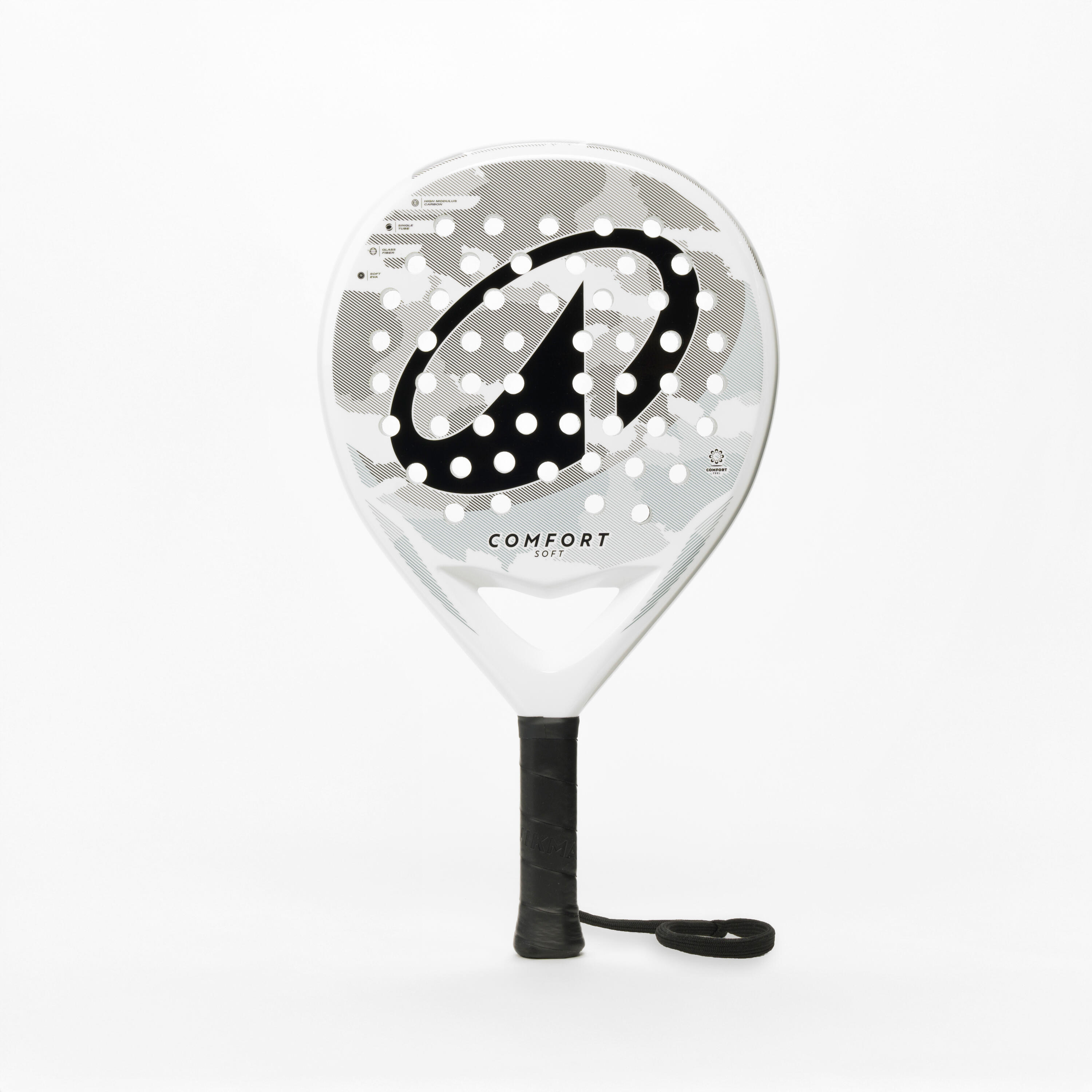 Kuikma PR Comfort Soft — black/white, 8928695 | 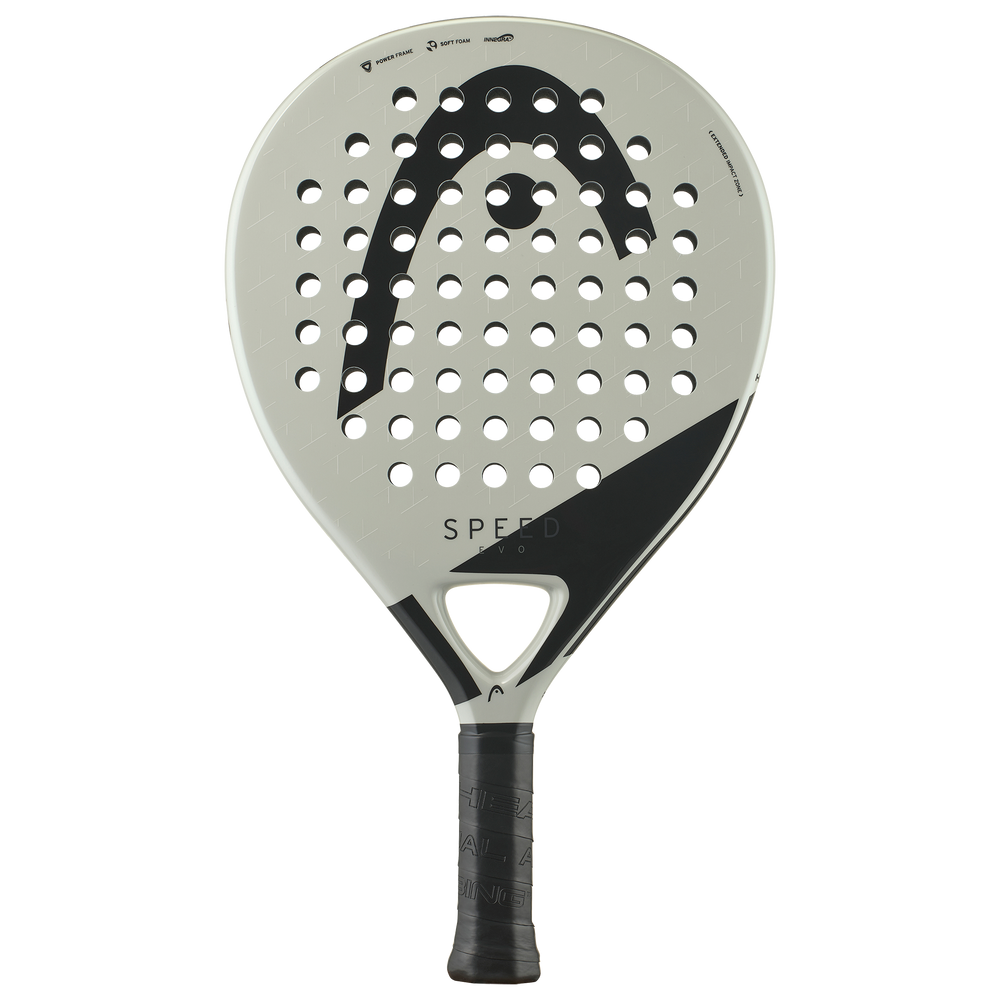 Head Evo Speed 2025 | 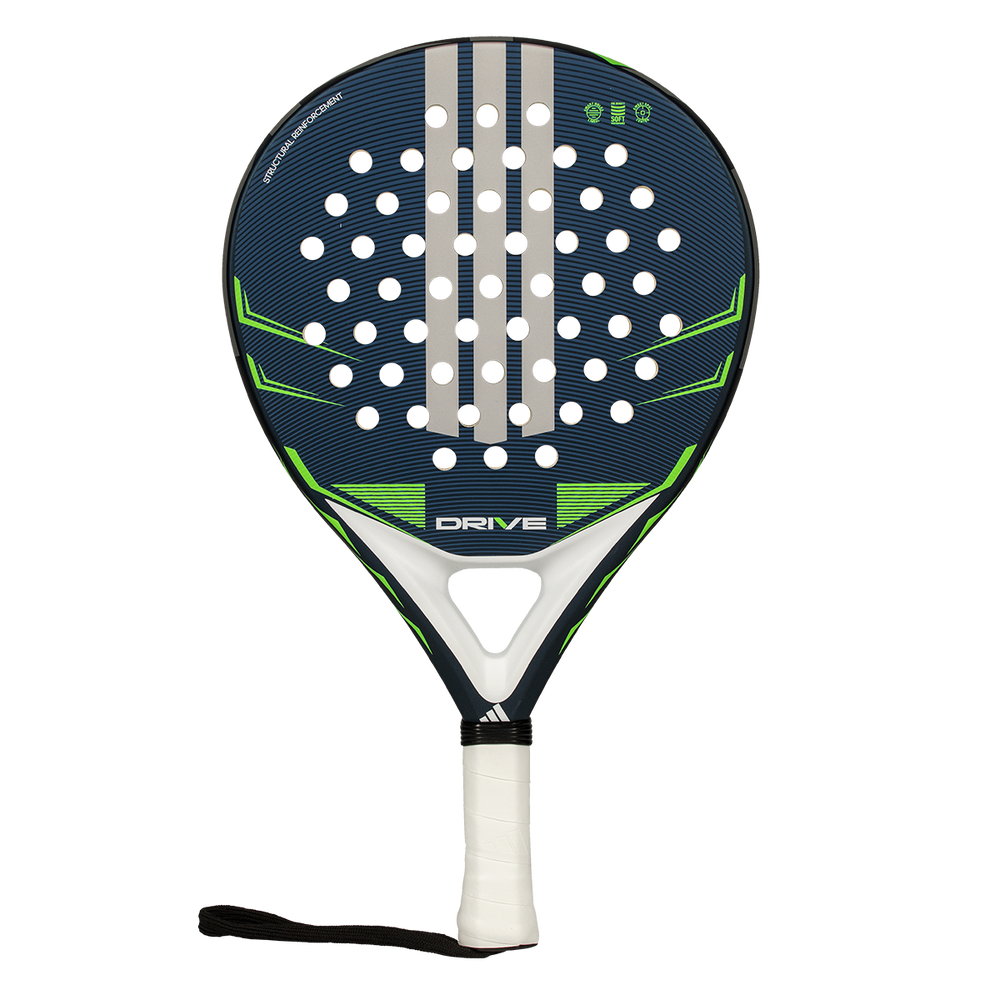 Adidas Drive 2026 — Blue/Lime, AR5CA3U71 | 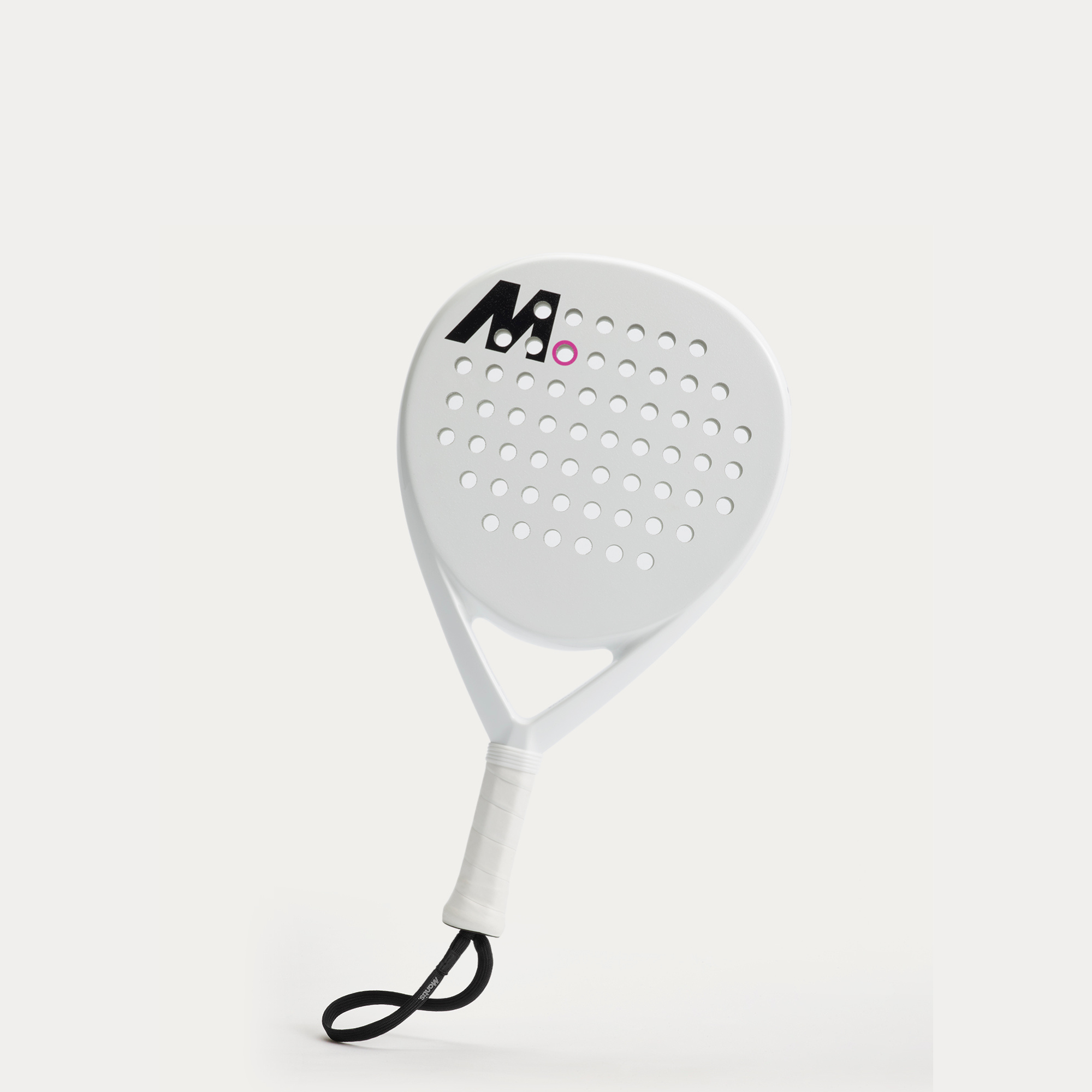 Mantis Play 335 ‘Challenge’ |
|---|---|---|---|---|
| Who it suits | For a new player keeping the purchase modest. Round shape and low balance; keep more of the budget for playing. | A different shape and balance to try beside the Kuikma. The extra £19 buys a different shape and balance; a demo can establish whether that suits you. | A round option for someone who has tried and enjoyed a heavier racket. Skip it if getting ready for volleys already feels slow. | The lightest listed option here. Worth the extra spend only if you prefer its feel in a demo; balance still matters. |
| Weight | 350g ±7g | 350g (retailer listing) | 360–375g | 335g |
| Shape | Round | Oversized teardrop | Round | Teardrop |
| Balance | 260mm | 270mm | Even | 275mm |
| Core | Soft EVA | Soft foam | EVA Soft Performance | Soft EVA Black 11 |
| Price & retailer | Check current priceDecathlonView product | Check current pricePDHSportsView product | Check current pricePDHSportsView product | Check current priceMantis SportView product |
Check the exact model, availability and delivery at the retailer. Prices are shown for seven days after a check.
For the full buying comparison, used-racket checks and a demo routine, our beginner padel racket guide goes further. You do not need to decide that before the first serve.
Why the second booking matters more than the racket
After playing, the question is whether the location, people and time suited you. If they did, the next step is booking again. Keeping a regular game in the calendar is a better reason to buy equipment than hoping equipment will create the habit, and when that day comes, the racket guide has the four options side by side.
Racket prices checked on 28 September 2026, excluding delivery. Product photographs: Decathlon and Mantis Sport.