

We may earn a commission when you shop through links in this article or on our store pages, at no extra cost to you.
Someone did you a favour. Maybe they fed the cat for a fortnight, covered your shift, or sat with your mum at the hospital so you could get some sleep. Now you're scrolling a gift site, trying to work out what that's worth in chocolate.
It isn't worth anything in chocolate. What people remember is that you noticed exactly what they did, and a note does that better than any box.
What is a thank-you gift for?
A thank-you gift says thanks for one particular thing: a neighbour taking in parcels, a colleague covering a shift, a teacher at the end of the year. Unlike a birthday present, it's tied to what the person did, so it usually travels with a card that names it. In practice that means a card on its own, a small treat, or flowers for someone who loves them.
Why do so many people go looking for one?
People in the UK search for thank-you gifts all year, with one big spike. "Thank you gifts" is searched about 12,100 times a month and "thank you cards" about 14,800, but "teacher thank you gifts" jumps from 590 searches in January to 22,200 in July, when the school year ends (Google Keyword Planner, October 2026). July is the busiest month for the whole category, when "thank you gifts" reached 18,100.
Why do people get thank-you gifts wrong?
They worry about the wrong thing. In four experiments by Amit Kumar and Nicholas Epley, published in Psychological Science in 2018, people who wrote thank-you letters underestimated how pleased and surprised the recipients would be, and overestimated how awkward they'd feel. The writers fretted over the wording; the recipients responded to the warmth. So the usual mistake is spending more to make up for a note that feels clumsy, when the note was the part that mattered to them.
The short answer: a card that names what they did, and for most favours that's the whole thing. For a neighbour or colleague, a small letterbox treat sits well beside it: Biscuiteers' Thanks biscuits were £14.95 in October 2026, and Cadbury Gifts DirectCadbury Gifts DirectCadbury Gifts Direct is built around chocolate gifts featuring well-known Cadbury brands. It suits shoppers who want a recognisable chocolate present rather than something more elaBuying guide · View store → has a Thank You letterbox set. For someone who loves flowers, there are posted bouquets from
Arena FlowersArena FlowersArena Flowers sells hand-tied bouquets and flower subscriptions with a strong focus on ethical sourcing and sustainable packaging. Whether you want a next-day bouquet for a birthda2 current offers · View store → and hand-tied ones from
MyFlowersMyFlowersMyFlowers is a florist sending hand-tied bouquets across the UK, with same-day options from three hours and next-day or future-dated delivery. Its range runs from compact letterbox4 current offers · View store →, and for a teacher, a note from the child counts most. Small thank-yous that post are in our letterbox gifts collection.
The note does most of the work
A thank-you that names the favour beats a pricey box with a generic message every time. It only needs three things: what they did, what difference it made, and a plain thank you.
“Thank you for collecting the keys while I was away. It took a real worry out of the trip, and I really appreciate it.” That's all it needs. It's more personal than “you're amazing” on the nicest card in the shop, because it could only have been written to them.
If there's a photo that belongs to the two of you, a personalised card is a nice touch. cardfactory's photo thank-you cards take your picture and message, and can go to them or back to you. If you're far away, The Blossomist will hand-write your message in one of their cards and post it, or send it blank so you can write it yourself.
Thank-you cards they'll write and post for you


How big should a thank-you be?
This is the awkward bit, and the answer is usually smaller than people think. It's about the relationship and what they did for you. Spending more doesn't make the thank-you any louder.
| Who | What fits | Worth checking |
|---|---|---|
| Friend or family | Their favourite treat, flowers, or a plan together | Their taste, and whether they're around |
| Colleague | A card, or a treat they can share | Workplace norms and dietary needs |
| Neighbour | A note and something modest | Whether they'd rather there was no fuss |
| Teacher or carer | A note from the child or the family | Any gift policy, and whether there's already a collection |
For a professional, or an everyday kindness, the card can be the whole thing. Our letterbox gift guide covers small things that are easy to post. And if there's no favour to repay and you just want someone to know you're thinking of them, thinking-of-you gifts is the better place to start.
Small thank-yous that fit through the letterbox
For a neighbour, a colleague, or the friend who'd hate a fuss, something small that arrives whether or not they're in feels about right.
Biscuiteers' Thanks Letterbox Biscuits are my favourite of the lot. They're six lemon biscuits, iced by hand in London, that spell out THANKS in an illustrated box small enough for the letterbox. They contain gluten and are made in a kitchen that handles nuts, so the allergens are worth a look before ordering.

A small thanks by post
Thanks Letterbox Biscuits
Six lemon biscuits that spell thanks in a small illustrated gift box.
- Best for
- A modest, playful thank-you
- Format
- Letterbox biscuits; check allergens
BiscuiteersCheck price
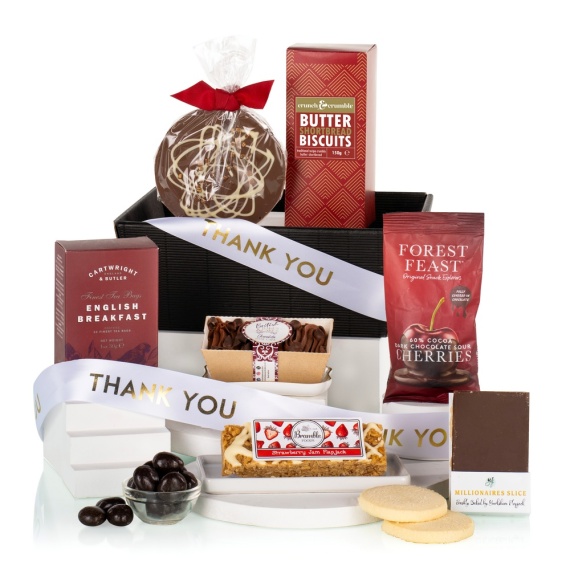
For a chocolate lover, these do the same job. Cadbury's Thank You letterbox set has a 180g Dairy Milk in a thank-you sleeve plus three other Cadbury favourites, with standard postage included. A single Green & Black's 70% bar in a thank-you sleeve suits the smallest favours. For a household or an office, Bunches' Thank You Gift is a tray of shortbread, flapjacks, cake, chocolate and English Breakfast tea.
Small thank-yous from the shop


Flowers, for someone who loves flowers
Flowers feel like the obvious thank-you, but they come with a bit of homework. Someone has to find a vase, spend ten minutes arranging them and make space for them. So they're best for people who enjoy that, rather than as the default. When they can't be in to take a bouquet, letterbox flowers come through the door in bud.
Arena Flowers' Sunrise is the cheerful one: yellow and pink roses, blue irises and golden solidago, posted through the letterbox for them to arrange. Flower Station's Thankful is a warm-coloured seasonal bunch at a similar price. Gratitude is softer, with pink roses, stocks and berries. Thanks a Bunch comes with a Tony's Chocolonely bar that says exactly that.
Thank-you flowers


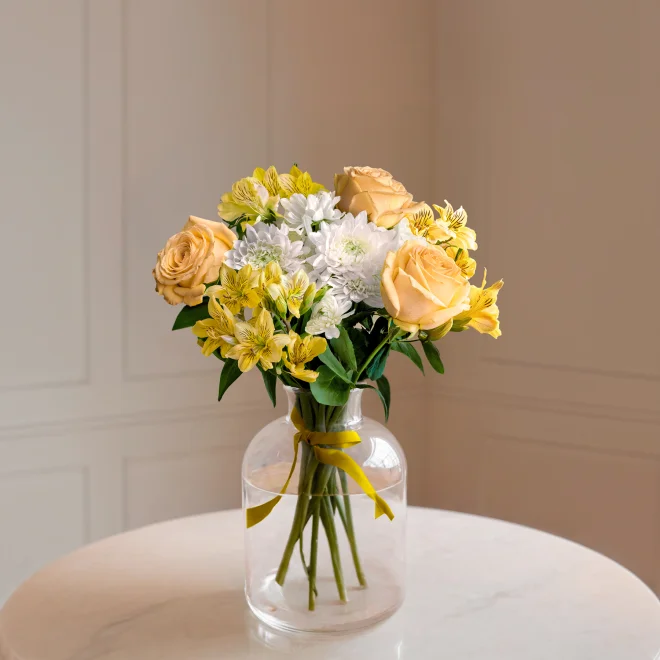
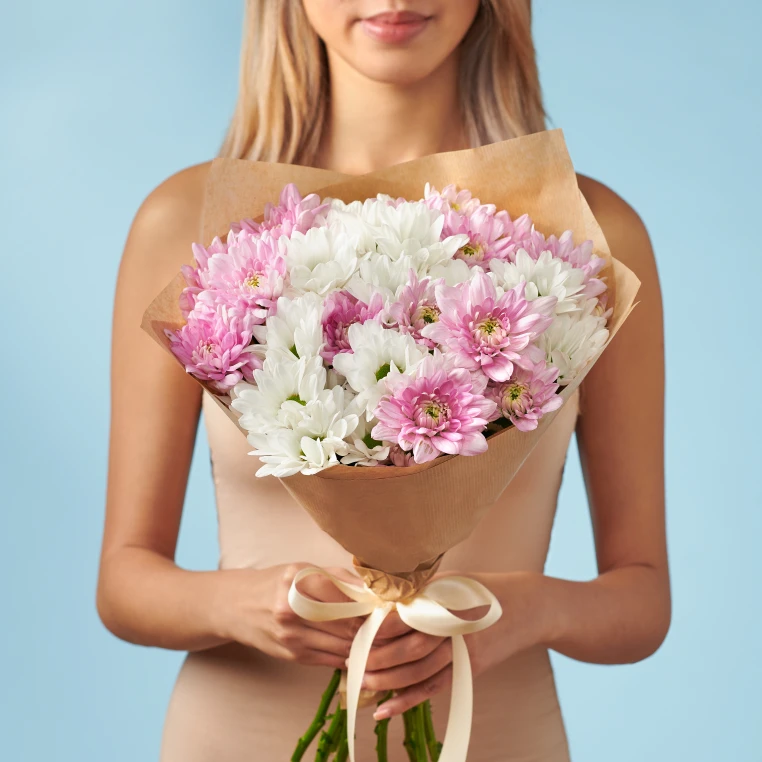
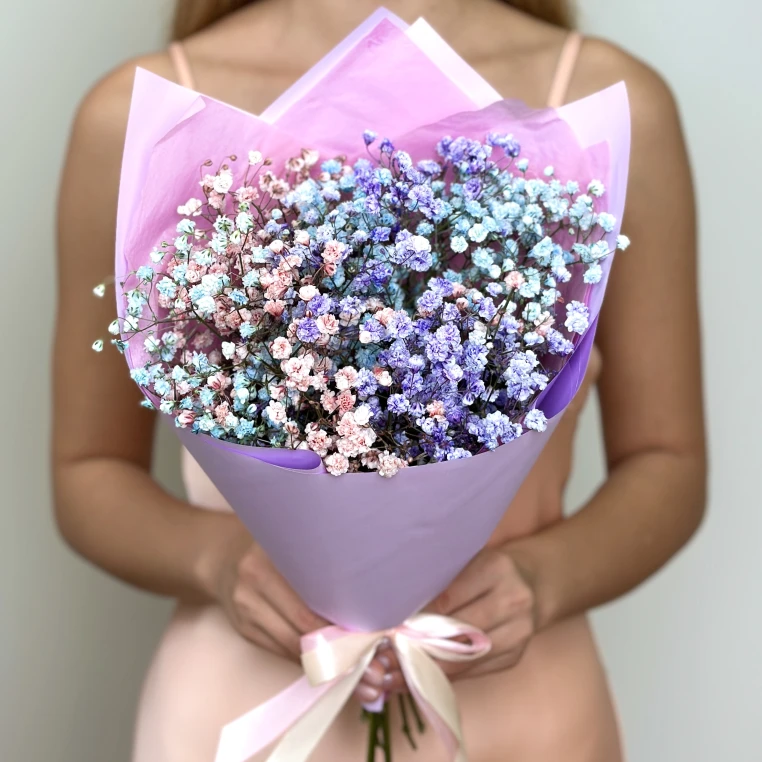
For a hand-tied bouquet rather than a posted one, MyFlowersMyFlowersMyFlowers is a florist sending hand-tied bouquets across the UK, with same-day options from three hours and next-day or future-dated delivery. Its range runs from compact letterbox4 current offers · View store → delivers by hand in London in three-hour slots and next day across the rest of the UK, and sends a photo of the bouquet before it leaves. Harmony is peach roses with yellow and orange alstroemeria, and Garden Secrets is softer, all cream and pink spray chrysanthemums. Good Mood is the playful one, a cloud of gypsophila dyed in bright colours. Each comes in four sizes.
Hand-tied thank-you bouquets from MyFlowers
For anyone with cats, the stems are worth checking. Cats Protection warns that lilies are toxic to cats, right down to the pollen.
For a teacher, the child's words matter most
At the end of term, teachers get a small mountain of mugs and candles. My bet is that what they hold on to is a sentence from the child about something that helped, in the child's own words and spelling.
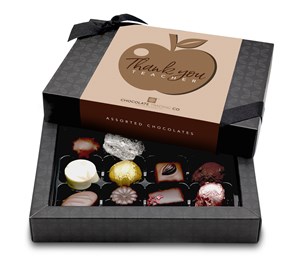
Any gift can stay small. Some schools have a gift policy, and some classes already have a collection going. Even then, a note from the child adds something no collection can. If you'd like something to go with it, the Chocolate Trading Company and Cadbury boxes are easy single gifts, and Social Stories Club's teachers' box suits a class collection.
Something small for a teacher


For the nurses, carers and teams who got you through
Sometimes the person you want to thank was just doing their job. It might be a midwife, a ward team, or the carer who looked after your dad. A personal present can be awkward for them to accept, and lots of workplaces have rules about gifts, so it's worth asking before sending anything big.
Something the whole team can share usually fits better, along with a card that says what they did. That card often gets passed round and read out, which is the point.
Something the team can share


Frequently asked questions
Quick answers to the questions people ask most.
How much should I spend on a thank-you gift?
There's no right amount. It depends on the relationship and the setting. A heartfelt note often does all the work, and a small gift is a nice extra when it's something they'll really enjoy.
Is a thank-you card enough?
Yes. A card that says what they did and what it meant to you is more personal than a random present. A gift can come too, if you know what they like and it suits the situation.
What's easy to send to a colleague or neighbour?
A short card or a small letterbox treat, as long as you know they can eat it. Some workplaces have gift rules, and a treat for the whole team can make more sense than a personal present.
Is it too late to say thank you?
Almost never. Sooner is nicer. But a thank-you that turns up a month late and names exactly what they did still means far more than one that never comes.


