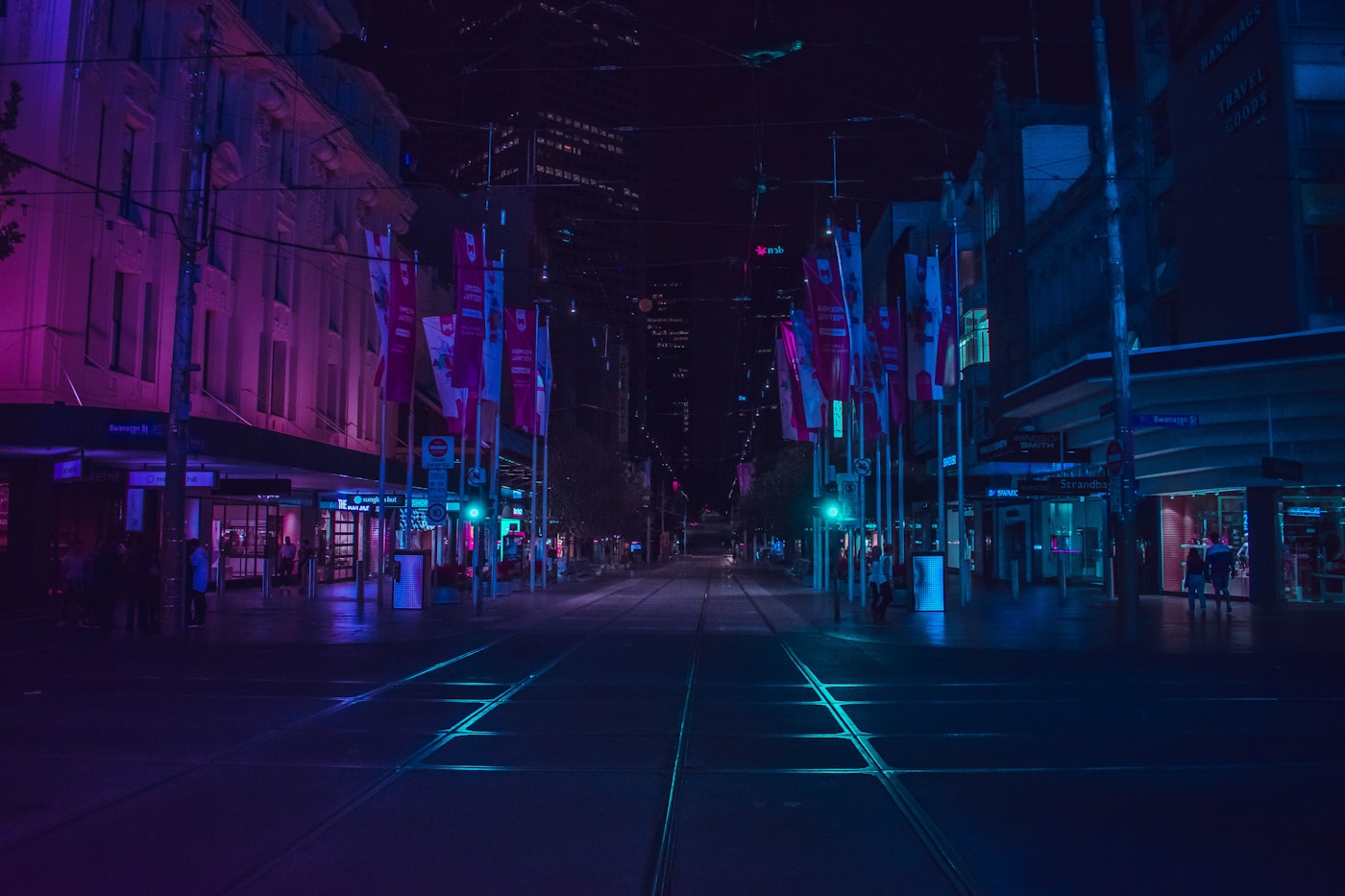
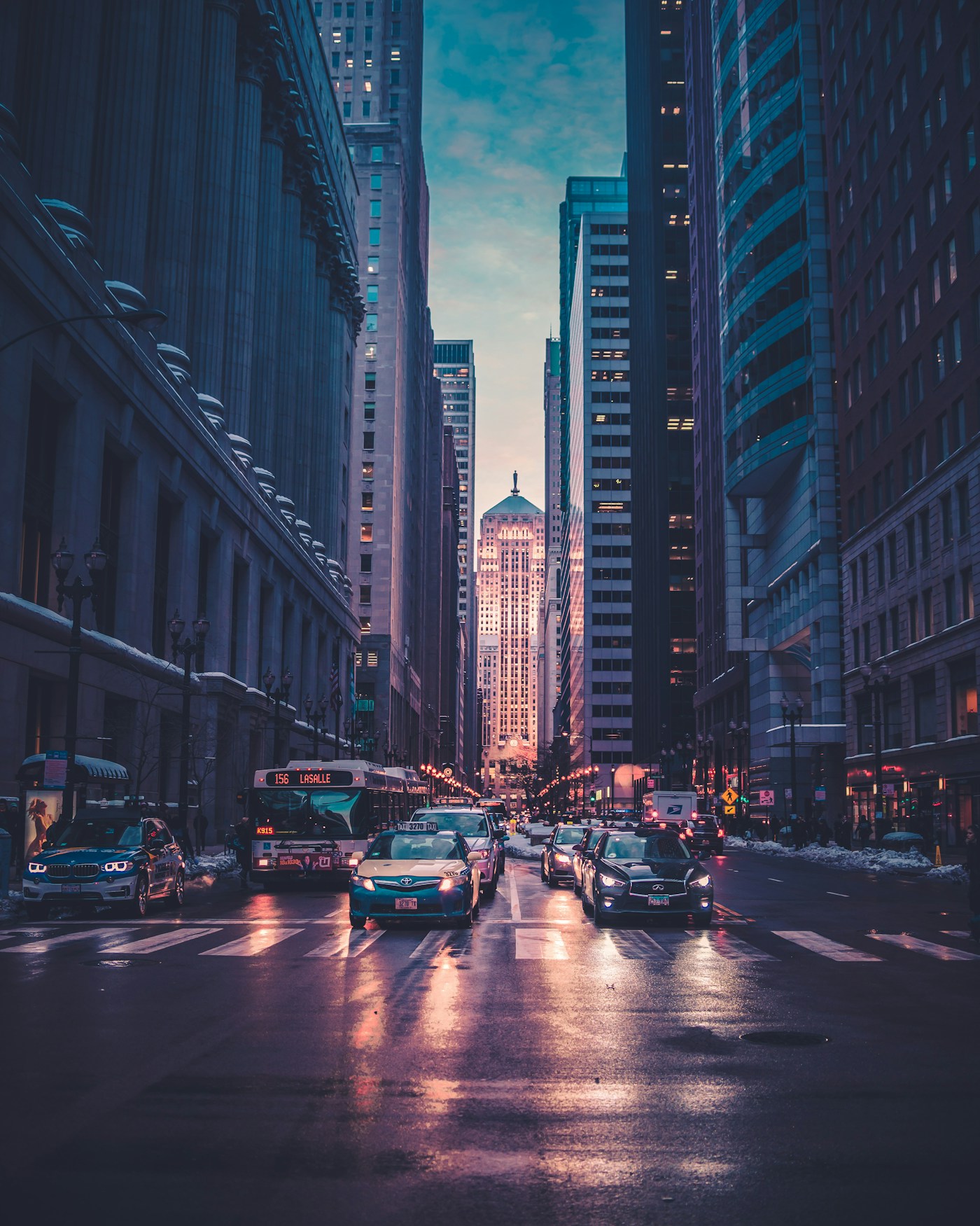
Amsterdam turns the early winter sunset into the attraction. Ghent puts a citywide party out on the streets. Berlin can pair an art weekend with a late night. Those are reasons to book a 2027 trip; a cheap flight on its own is just transport. I would pick the event first, then let the city fill in around it.
What is an event city break?
It's a short trip abroad, usually two or three nights, planned around something that only happens on certain dates: a festival, a design fair, a carnival or a season of light art. The eleven in this guide run from Lux Helsinki at New Year to Amsterdam's light route, which opens in late November 2027. It's the same idea as travelling to a UK show such as London Design Festival, with a flight or a train in the middle, and none of them asks you to be an expert in art, design or film.
Why are event weekends such a big deal?
City breaks are already a big search in the UK: "city breaks" is typed about 74,000 times a month and "city breaks Europe" about 33,100 (Google Keyword Planner, October 2026). An event gives that trip a date and a reason. Some of these have centuries behind them: Venice's organiser traces the first evidence of its carnival to 1094, and Valencia's Fallas were added to UNESCO's intangible heritage list in 2016. Others are about sheer size: Milan's Salone del Mobile says it draws over 370,000 professional visitors a year.
Why should you care before you book?
Because the event sets the price of everything around it. The weekend it runs is the weekend everyone else wants a room, so even a free festival can make for an expensive trip. And not every event fits a Saturday: 3daysofdesign runs Wednesday to Friday, and Venice Carnival stretches across three weekends, so which days you pick changes the trip.
The short answer: Berlin is my best all-rounder for art and nightlife. Amsterdam is the easiest winter spectacle. Milan and Copenhagen are for the design nerds. Primavera is the big music commitment. And Ghent is the generous one, a massive street party that's mostly free.
Why start with the event, not the flight?
Because one good anchor fixes everything. It gives you a date, a neighbourhood to stay in and a mood for the weekend. Everything else, the food, the galleries, the long walk you didn't plan, slots in around it. Without that anchor you're just justifying a destination with a list of interchangeable sights, and that's how you end up queueing for something you don't care about on a Saturday afternoon.
Which 2027 European event fits your weekend?
| If you want… | Choose… | Confirmed 2027 window |
|---|---|---|
| Immersive light, experimental music and media art | Berlin | CTM 22–31 Jan; transmediale 27–31 Jan |
| A compact winter light-art route | Amsterdam | Edition 16 starts 25 Nov 2027 |
| Masks, pageantry and an uncanny historic setting | Venice Carnival | 23 Jan–9 Feb |
| Furniture, interiors and citywide installations | Milan Design Week | 13–18 Apr |
| Public design showrooms without a trade badge | Copenhagen | 9–11 Jun |
| Fire, noise and street sculpture | Las Fallas | Festival period 1–19 Mar |
| Independent cinema plus modern architecture | IFFR Rotterdam | 28 Jan–7 Feb |
| A major music festival with a city attached | Primavera Barcelona | 3–5 Jun |
| Winter light or summer island art | Helsinki | Lux 30 Dec–6 Jan; Biennial 6 Jun–19 Sep |
| A free citywide cultural party | Ghent Festivities | 16–25 Jul |
| Digital art, science and speculative technology | Ars Electronica Linz | 8–12 Sep |
Those dates are solid enough to plan a trip around. The day-by-day programmes, individual tickets and opening times will keep dribbling out over the year, so each city guide tells you what I'd reserve first.
Which ones are worth two nights?
Any event that turns into something else after dark, or sprawls across several neighbourhoods. Berlin is the obvious one: you want an evening for Dark Matter and a separate chunk of time for CTM or transmediale. Milan needs a fair or museum day and then a different day for a Fuorisalone district. Copenhagen's design programme is so spread out that cramming it into one day turns it into a public transport challenge rather than a holiday.
I'd go even longer for Venice and Valencia. Three nights, if crowds, weather or street closures would make a tight checklist stressful, and they probably will. IFFR is the opposite. Rotterdam works as a sharp Friday-to-Sunday: book two screenings you really want, and let the architecture and food fill the gaps.
When should I book?
In layers. The first layer is the weekend and the event that makes it worth going. Then lock in the right area for your hotel, plus anything scarce, like a specific ticket or a timed entry slot. Flights and trains come last, once those pieces line up.
With free events in particular, the room is often the biggest cost of the whole trip. So I care more about where it is and whether I can cancel than about saving a few quid on the headline rate.
The stuff I'd check before paying
The exact day you care about is actually open to the public.
There's a realistic way back to your hotel after a late finish.
The room's cancellation terms give you room to move while the programme is still filling in.
City taxes, airport transfers and local transport are in your total, not just the flight and room.
The hotel is properly connected to the event area at the hour you'll be heading back.
Frequently asked questions
What is the best European city break for 2027?
For me it's Berlin. Dark Matter is a permanent immersive venue, so it's there whatever happens, and CTM and transmediale give you confirmed January dates on top. If music is the point, go for Primavera. Milan if design is your thing. Ghent if you want a street festival without spending much on tickets. And if you'd rather not leave the country, my UK electronic festivals guide and UK expos guide do the same job at home.
Which 2027 European events are free?
3daysofdesign says its public Copenhagen programme is free, and a lot of the Ghent Festivities programme is free too. Helsinki Biennial gives you an art-led reason to go in summer, but you'll still need to check the ferry, your room and any individual activities.
Is it too early to book a 2027 city break?
Not at all. A fixed event date and a room you can cancel are enough to get going. I'd just hold off on building the whole trip around one performer, screening or ceremony until the daily programme is out.
Which trip is easiest without a car?
Amsterdam, Ghent, Copenhagen and Rotterdam are all easy on foot and public transport. Berlin works well too, as long as you base yourself around the eastern art circuit and don't treat the whole city as one neighbourhood. It isn't.