

We may earn a commission when you shop through links in this article or on our store pages, at no extra cost to you.
An evening of scrolling leaves nothing behind. The nerdy hobbies worth your time do the opposite: a few hours later there's a painted figure on the shelf, a tiny station shelter with its roof on, a booklet you stitched yourself or an LED blinking because of code you wrote.
What is a nerdy hobby?
By nerdy I mean a hobby with a learning curve and a community that cares about the details: brush sizes, paper grain, switch types, nib widths, grid references. Most of the eight here end in something you can hold, whether that's a painted miniature, a card building, a stitched book or a working circuit, and the pleasure is in getting a little better at the fiddly part each time. Each section has a first project, its cost, a UK shop and a video of someone doing it.
Why are so many adults looking for one?
Because plenty of people want something to do with their hands that isn't a phone. In the UK, "hobby ideas" is searched about 1,300 times a month, "hobbies to do at home" about 880 (rising to 1,300 in January) and "hobbies for adults" about 480, while "miniature painting" alone gets about 1,300 (Google Keyword Planner, October 2026). This guide is for anyone among them who hasn't picked one yet.
Why should you care before buying anything?
Two reasons: a hobby seems to be good for you, and the spending can run away with you. A 2023 Nature Medicine study of 93,263 people aged 65 and over in 16 countries found those with a hobby reported fewer depressive symptoms and higher life satisfaction, though the authors are clear that it shows a link, not proof. Anglia Ruskin University researchers found something similar in 2024 among 7,182 adults in England: people who had made art or crafts in the past year rated their lives as more worthwhile, and that link was stronger than the one with having a job.
The catch is how fast a hobby grows once it takes hold.  WarhammerWarhammerWarhammer Colour is the paint range from Games Workshop aimed at painting miniatures. This guide covers what the official source says about its paint sets, tutorials, and techniqueBuying guide · View store →'s small box of two figures and six paints is £23.50, but its two-army Starter Set is £160; a first keyboard build is about £85 before the switches and keycaps start calling. A cupboard of supplies bought in a burst of enthusiasm is the expensive way to find out you don't enjoy the work.
The short answer: the hobby to try is the one whose process you'd enjoy, not the one with the best photos, and the thing to buy is one first project. In October 2026 that's a free session in a Warhammer shop or the £23.50 squad with paints, a £10.50  Metcalfe ModelsMetcalfe ModelsMetcalfe Models makes pre-cut card building kits for railway modellers, sold direct from Bell Busk near Skipton in 00/H0 and N scales. Its kits arrive as printed sheets with componBuying guide · View store → card shelter, a booklet stitched from paper you already own, or a £10 Raspberry Pi Pico starter kit. The shops for all of them are on our Hobbies & Crafts page.
Which nerdy hobby suits you?
The finished objects online are the worst guide, because they're the best results from people who've done it for years. The part to picture is the process: an hour of tiny brushwork, careful folding, stitching through a fold or chasing a loose wire.
| If you like… | Try | First project | Rough cost to try (Oct 2026) | What might put you off |
|---|---|---|---|---|
| Characters, colour and tiny details | Miniature painting | Two Space Marines | Free in a Warhammer shop, or £23.50 with paints | Repetitive, fiddly brushwork |
| Buildings and careful assembly | Card modelling | A station shelter | £10.50 kit, about £29 of tools | Precise folds and glue |
| Paper and useful objects | Bookbinding | A stitched booklet | Paper you own, or £35 of tools | Measuring and cutting straight |
| Code and physical puzzles | Raspberry Pi Pico | A blinking LED | £10 kit | Debugging wires and software |
| Typing, sound and tinkering | Mechanical keyboards | A hot-swap board you press together | About £85 and up | Cost, and it's a rabbit hole |
| Handwriting and stationery | Fountain pens | One pen and paper that suits ink | About £16 | Inky fingers and paper fussiness |
| Stories and company | Tabletop role-playing | A one-evening adventure with friends | Free rules | Needs a group and a free evening |
| Maps, walks and ticking things off | Trig-point bagging | The nearest pillar to home | £12.99 for a paper map | Weather, and it's outdoors |
I'd like to know which of these readers would actually pick up, so the first question is yours. The answers shape what this guide covers next.
Miniature painting: how much does it cost to start?
The cheapest start is free. WarhammerWarhammerWarhammer Colour is the paint range from Games Workshop aimed at painting miniatures. This guide covers what the official source says about its paint sets, tutorials, and techniqueBuying guide · View store →'s own shops give newcomers a free miniature, a build-and-paint session and a demo game, and you don't need any interest in the game itself to enjoy the painting. Games Workshop's results for the year to 31 May 2026 list 134 Warhammer shops in the UK, and the company says they focus on recruiting new hobbyists. Painting a single figure is a contained experiment in colour, brush control and knowing when to stop.
At home, the obvious first box is Space Marines: Intercessors + Paints at £23.50 on warhammer.com in October 2026: two push-fit Intercessors, six Warhammer Colour paints (the range formerly sold as Citadel) and a starter brush. Older guides point to the Infernus Marines set, which Warhammer no longer sells. If you already own a figure or two, the Paint + Tools set (£28.50) has 13 paints, a brush, clippers and a mould-line scraper but no models. The jump after that is steep: the Introductory Set is £49 and the two-army Starter Set £160, so the small box is the honest test of whether you like painting.
A first squad and the paints to go with it

Space Marines: Intercessors + Paints
Two Space Marines with the six paints their blue scheme needs and a starter brush: the smallest official box that tests whether you like painting.
- Figures
- 2 push-fit Intercessors
- Paints
- 6 Warhammer Colour Base paints
- Also in the box
- Starter brush and two 32mm bases
Warhammer£23.50Check current priceChecked 11 Oct
Warhammer 40,000: Paints + Tools
Paints and tools without figures, for someone who already has a miniature from a shop session or a friend.
- Paints
- 13: 11 Base, a shade and a texture
- Tools
- Brush, clippers and mould-line scraper
- Miniatures
- None
Warhammer£28.50Check current priceChecked 11 Oct
Confirm price and availability at the retailer. Prices shown were checked within the last seven days.
Two videos show the work at different depths. Alex Paints' July 2026 video paints this exact box and asks whether its six paints are enough; Duncan Rhodes' 2024 lesson spends half an hour on a first Space Marine and covers the technique any set needs.
Painting was one of the most upvoted answers in a February 2026 r/AskUK thread about hobbies people took up to spend less time on their phones. What to buy after a first shop session is the next question, and this r/minipainting thread has painters describing their own routes in.
Card models: can you build one building without a railway?
Yes, and one building is a complete project. A card kit is printed, pre-cut card that you fold and glue into a structure. Metcalfe ModelsMetcalfe ModelsMetcalfe Models makes pre-cut card building kits for railway modellers, sold direct from Bell Busk near Skipton in 00/H0 and N scales. Its kits arrive as printed sheets with componBuying guide · View store → makes them for railway layouts, but its PO316 Little Cardleywick station shelter (£10.50 in October 2026) is one sheet of parts plus clear glazing that finishes 92mm by 47mm, small enough for a desk. Its 00 scale mini kits are smaller and cheaper still, from £5.75 to £7.30; the Platform Kiosk (£6.80) finishes 48mm long.
Glue isn't in the box. The shelter's instructions ask for a modelling knife, a cutting mat, a steel ruler, scissors, fine tweezers and fine-tip glue bottles, with Speed Bond for the card and UHU solvent-free for the glazing. Bought from Metcalfe, the knife, blades, mat, ruler and tweezers come to £28.90 before glue, and delivery is a flat £4.75. The pleasure is getting walls, windows and roof edges to meet cleanly, which is exactly what frustrates anyone in a hurry. Our card model-making guide goes further into tools and choosing a first kit.
One small building, and an even smaller one
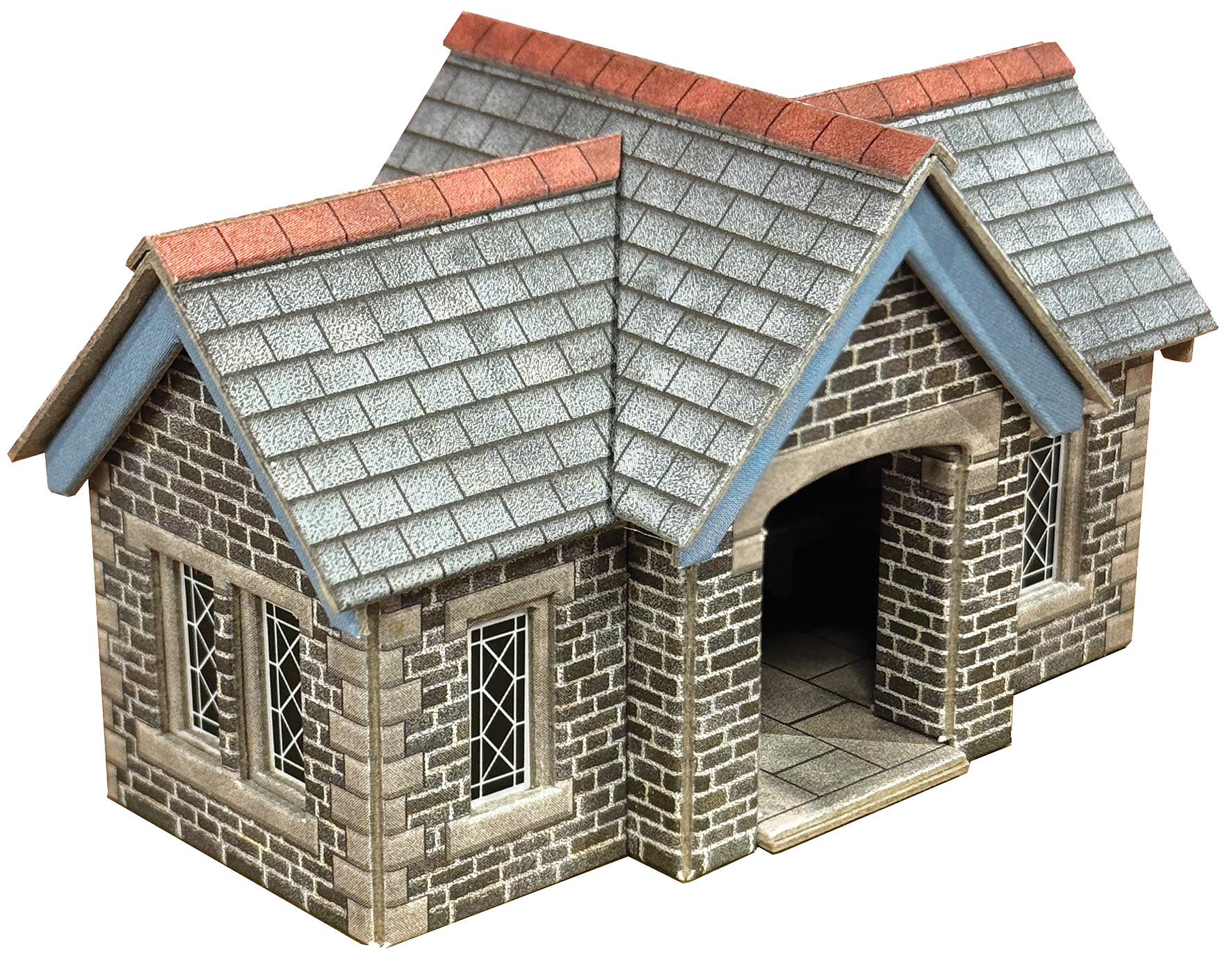
PO316 00/H0 Little Cardleywick Station Shelter
One printed sheet of pre-cut parts and a glazing sheet that fold into a small station shelter. The instructions list the tools and glue you'll need.
- Scale
- 00/H0
- Footprint
- 92 x 47mm
- Not included
- Glue and tools
Metcalfe Models£10.50Check current priceChecked 11 Oct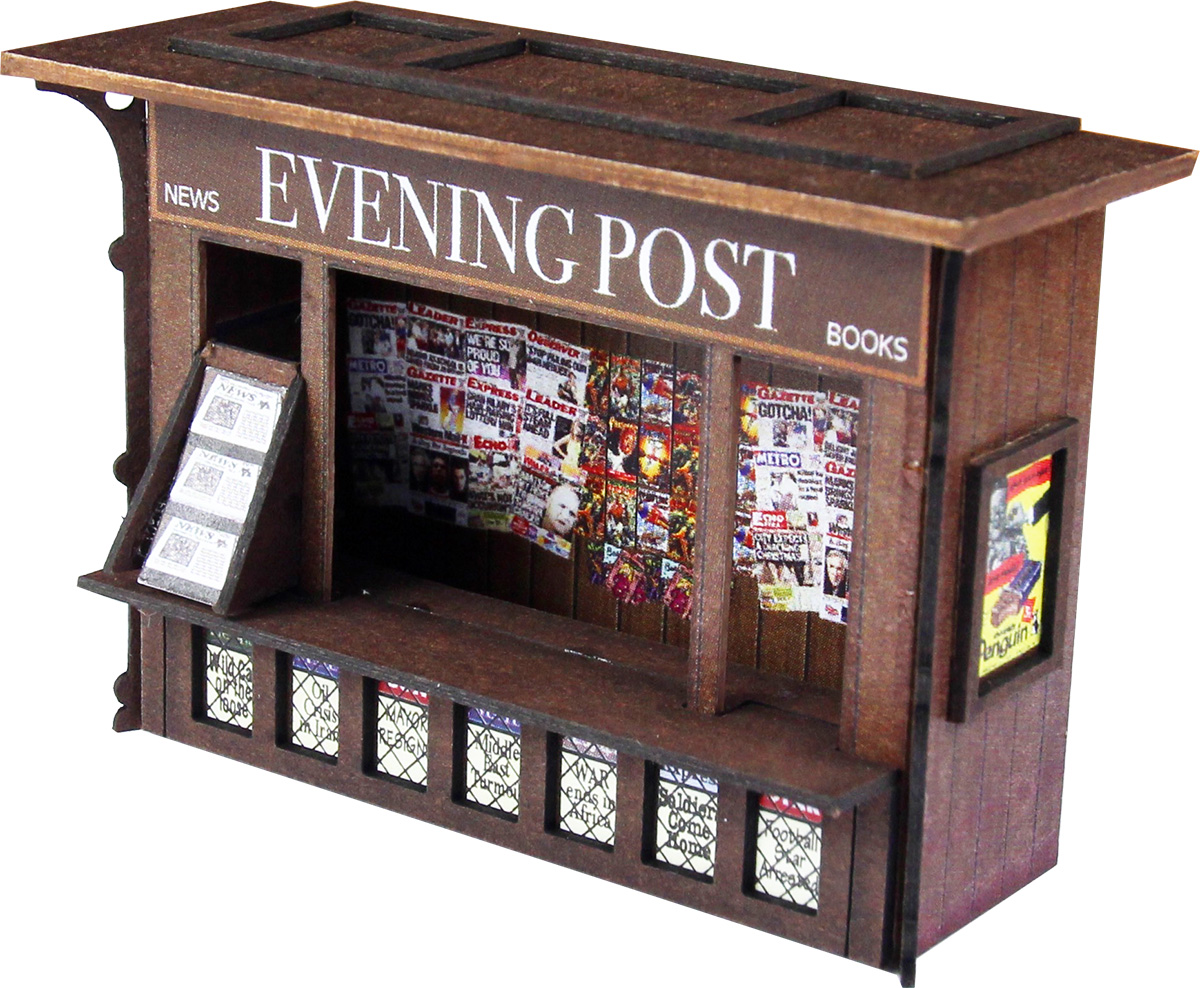
PO517 00/H0 Platform Kiosk
A smaller, cheaper first build: a platform kiosk about the size of a matchbox.
- Scale
- 00/H0 mini kit
- Finished size
- 48 x 15 x 39mm
- Instructions
- Download from the product page
Metcalfe Models£6.80Check current priceChecked 11 Oct
Confirm price and availability at the retailer. Prices shown were checked within the last seven days.
Budget Model Railways reviewed this shelter in October 2025, the best way to judge its size; World of Railways' 2020 build of a Metcalfe signal box shows the folding and gluing technique.
Plastic kits scratch the same itch with glue and paint instead of folds. 
Bookbinding: what's the easiest book to make first?
A single-section booklet: a few sheets folded in half, a cover, and a pamphlet stitch through the fold. It needs paper you already own, a needle, thread and something to pierce holes with, and the result can hold recipes, a short photo story or a field guide to your street. Sea Lemon's 2020 video shows eight ways to stitch one, and the simplest is the place to begin rather than a shopping list of all eight.
One r/bookbinding commenter suggests practising on a ream of ordinary printer paper before paying for specialist long-grain paper, which is a cheap way to find out whether the folding and stitching itself appeals.
For a taught route, the  London Centre for Book ArtsLondon Centre for Book ArtsThis is the London Centre for Book Arts, an artist-run print and binding studio in east London, open since 2012. You can book workshops, buy a studio pass, or shop books, tools andBuying guide · View store → runs beginner days in London. Its December 2026 three-day foundation course has sold out, but in October 2026 there were still places on single beginner days on 11, 12 and 13 February 2027, at £150 each with all materials. On the first you leave with a pamphlet, a concertina and a Japanese stab-binding. If you keep going, its beginner tool kit (£35) has an awl, a bone folder, a knife, a glue brush, beeswax, five needles and 15 metres of linen thread; paper, board and book cloth are separate, from £8 for a length of cloth.
Tools for when you know you're hooked
![Bookbinding Tool Kit [Beginners]](https://londonbookarts.org/cdn/shop/files/beginners_tool_kit_group_small_ec2d4a15-ec3c-4129-9cee-77a86245ed26.jpg?v=1789726061)
Bookbinding Tool Kit [Beginners]
Reusable bookbinding tools for once you know you enjoy the work. Paper and cover materials are sold separately.
- Includes
- Awl, bone folder, knife, glue brush, beeswax, 5 needles, 15m linen thread
- Add separately
- Paper, board and book cloth
- Upgrade
- Teflon folder version £40
London Centre for Book Arts£35.00Check current priceChecked 11 Oct
Confirm price and availability at the retailer. Prices shown were checked within the last seven days.
Raspberry Pi Pico: what can you build in an evening?
A light that does what your code tells it to. The Pico is a microcontroller from  Raspberry PiRaspberry PiRaspberry Pi sells single-board computers, microcontrollers, cameras, displays and accessories, from the low-cost Zero range through to the desktop-style Raspberry Pi 500. Its cataBuying guide · View store →: a board 51mm long that runs one small program, reading buttons and sensors and switching lights, buzzers and motors. It isn't a tiny desktop computer. Raspberry Pi has sold over 77 million units, according to its half-year results in September 2026, so there's no shortage of help when something won't work.
The Pi Hut's starter kit is £10 in October 2026 and has a Pico H with its pins already soldered on, a USB cable, a breadboard, jumper wires, three LEDs and resistors: enough to blink, fade and sequence lights without a soldering iron. It contains the original Pico rather than the newer Pico 2 (£4.80 on its own), which makes no difference for a first project. The Raspberry Pi Foundation's free Introduction to Raspberry Pi Pico path moves from an LED firefly to a sound machine and a sensory gadget; the later projects need parts the kit doesn't include, so each one's parts list is worth reading first.
A first circuit without soldering
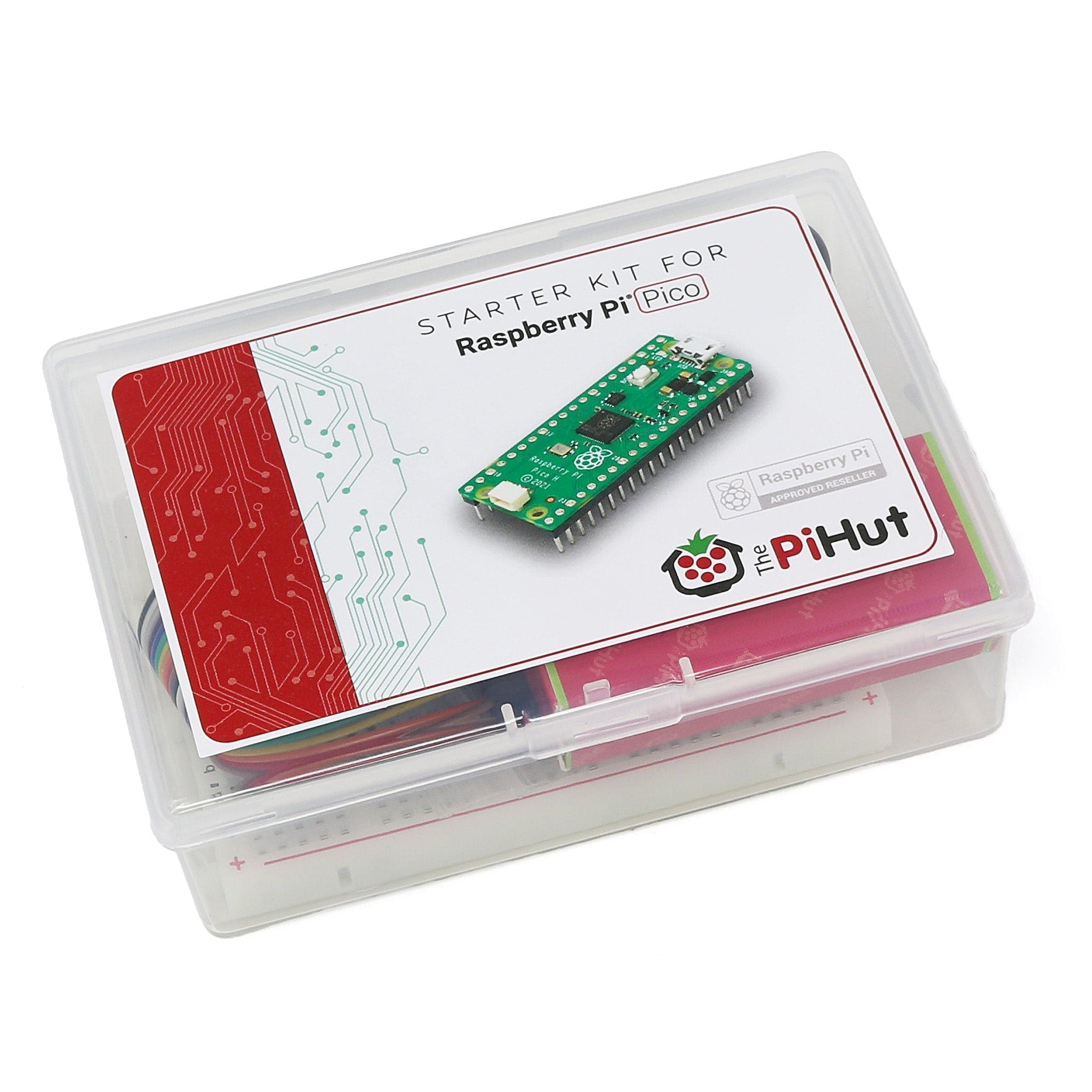
Starter Kit for Raspberry Pi Pico (Includes Pico H)
Everything for a first LED project without a soldering iron. Later projects in the free Foundation path need extra parts.
- Board
- Raspberry Pi Pico H (headers soldered)
- Includes
- Micro-USB cable, breadboard, 20 jumper wires, 3 LEDs, 3 resistors
- Soldering
- None needed
The Pi Hut£10.00Check current priceChecked 11 Oct
Confirm price and availability at the retailer. Prices shown were checked within the last seven days.
Core Electronics' 2024 beginners' course starts from nothing and covers code, wiring and the board itself. At four hours it's long, but it's split into chapters you can take an evening at a time.
It's the one hobby here that keeps you at a screen, so paper, card, ink or paint suit anyone after a break from one. For people who like working out why something isn't doing what they expected, Pico is probably the most absorbing of the lot.
Mechanical keyboards: is building one worth it?
If you type all day and like tinkering, yes, and the first build needs no soldering. Hot-swap boards have sockets on the circuit board, so switches push in and pull out by hand: the first project is a barebones kit (case, plate and board already assembled), a bag of switches and a set of keycaps, pressed together over an evening. Then comes the part people get hooked on, which is how it sounds and feels.
In October 2026 a 65% barebones board, 70 factory-lubricated switches and a PBT keycap set came to about £85 from UK sellers Computer Orbit and Mechboards, helped by a sale. MonsGeekMonsgeekThis is Monsgeek, a mechanical keyboard brand launched in 2021 by Akko, known for aluminium boards, magnetic-switch keyboards and DIY kits. The EU store ships from European and ChiBuying guide · View store →'s M1 V5 hot-swap kit is €118.99 without switches or keycaps, but only in US layout for UK delivery: UK orders ship from China, and its UK-layout stock sits in a German warehouse that doesn't deliver here. To skip the build at first, Keychron's K2 in UK layout comes assembled and hot-swappable at £104.99, so the switches can change later.
The decision to make before buying anything is layout. UK ISO has the tall Enter key and the £ sign where your fingers expect it; US ANSI is easier to find parts for. A UK first-timer on r/MechanicalKeyboardsUK found a full UK ISO keycap set the hardest thing to buy. It's also worth knowing whether a board takes 5-pin switches, because on a 3-pin board their two extra plastic legs have to be clipped off.
Hipyo Tech's 2022 budget build is the most watched first-build video, at over two million views. The board in it was sponsored by its maker, but the steps (choosing switches, fitting stabilisers, pressing in keycaps) are the same on any hot-swap kit.
Fountain pens: why do people fall for ink?
Because a cheap one writes far better than you'd expect, and then ink colours, nib widths and paper become a hobby of their own. The first project is one pen, a few cartridges and a pad of paper that doesn't let ink feather, used for letters, a journal or practising an italic hand.
The cheapest sensible start is about £16 at Cult Pens in October 2026: a Platinum Preppy (£4.95), ten Platinum cartridges (£6.50) and a Rhodia dotPad (£4.80). PapersmithsPapersmithsThis is Papersmiths, an independent stationery shop that opened in Bristol in 2013 and now has stores in Brighton and Chelsea. It sells its own pens, notebooks and diaries alongsid3 current offers · View store → sells the Kaweco Sport for £28, a pocket pen 10.5cm long when capped that takes standard cartridges (£3 for six), and a Rhodiarama A5 dot-grid notebook (£22.50) whose paper suits ink; delivery is free over £40. For lettering,
RymanRymanRyman is a stationery and office supplies retailer with more than 120 years behind it. For everyday desk kit, paper and organisation products, it is a sensible first place to compa4 current offers · View store → has the Pilot Parallel 2.4mm, a broad-edged calligraphy pen, for £8.99, and a Manuscript Calligraphy Starter Kit for £19.99 with two pens, four nib widths, a manual and a practice pad.
A first fountain pen
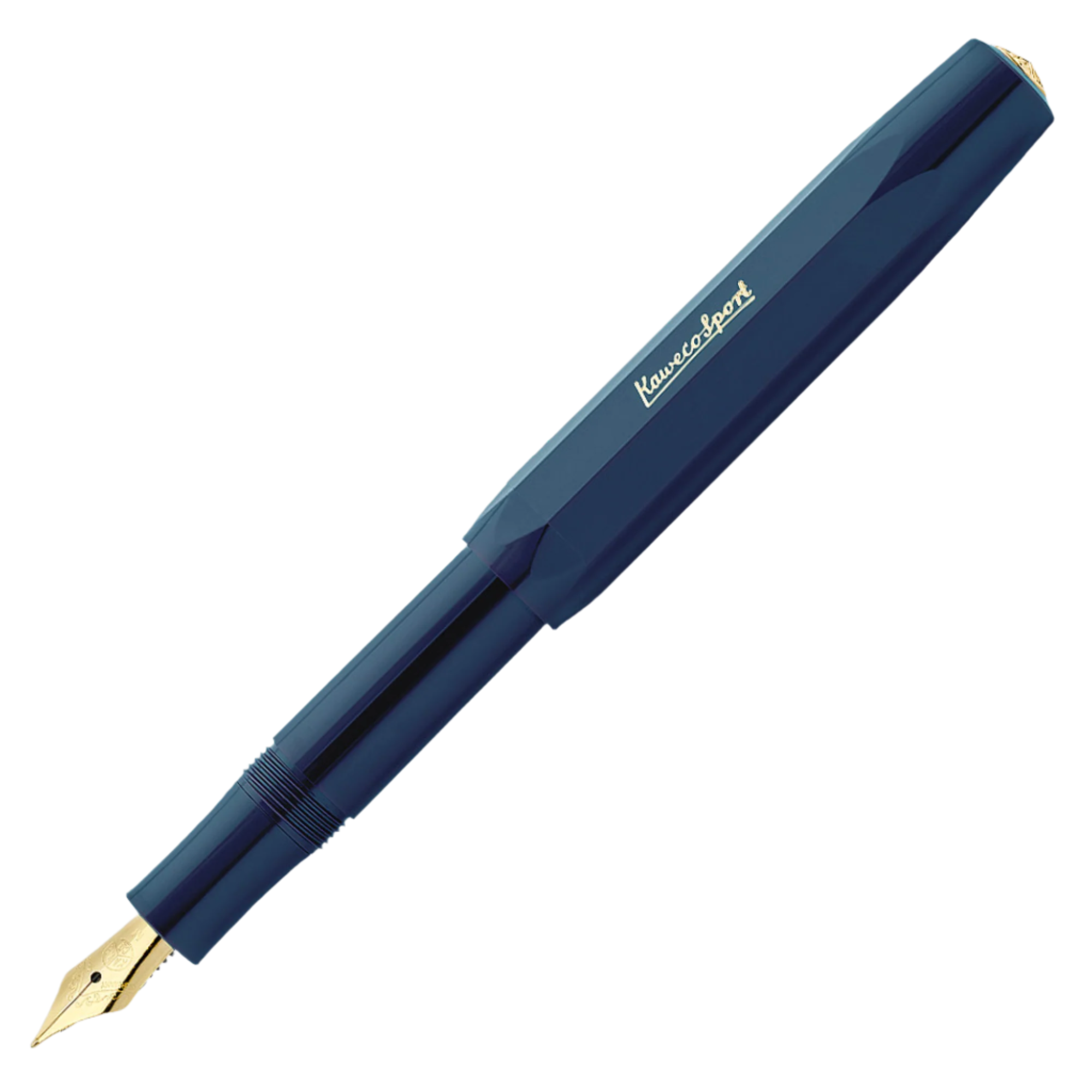
Kaweco Sport Fountain Pen, Navy Blue
A pocket fountain pen that takes standard cartridges, from an independent stationer; other colours are the same price.
- Size
- 10.5cm capped, 13cm posted
- Ink
- Standard cartridges (£3 for six) or a mini converter
- Nib
- Medium steel
Papersmiths£28.00Check current priceChecked 11 Oct
Confirm price and availability at the retailer. Prices shown were checked within the last seven days.
JetPens' six-minute primer covers what changes when you swap a ballpoint for a fountain pen: finding the nib's sweet spot, a lighter grip and writing from the arm. A May 2026 thread on r/fountainpens makes the case that pens like the Lamy Safari and Pilot Kakuno shouldn't be written off as entry level, though commenters were split on the Safari's grip and cap.
Tabletop role-playing: how do you start without knowing the rules?
With the free rules and a short adventure that fits one evening. Dungeons & Dragons publishes its 2024 rules free on D&D Beyond as the Basic Rules, with a character sheet to download, and the core rules are also free under a Creative Commons licence as the System Reference Document. The first project is a one-shot: a single adventure for a few friends, with one person running it as the Dungeon Master. One DM on r/DMAcademy reckons on three to five hours with three to six players.
The same July 2026 thread has the best advice for a first evening: hand out ready-made characters, or build them together beforehand, so the night is spent playing rather than filling in sheets. If you'd rather have everything in a box, Starter Set: Heroes of the Borderlands came out in September 2025 with play boards, cards, maps, tokens and dice; Wizards sells it for $49.99, and in October 2026 Travelling Man listed it at £44.99.
Ginny Di's beginner's guide explains who does what at the table, how a character works and what the dice do, in 20 minutes.
If you'd like to try games with strangers before gathering friends, UK Games Expo at the NEC counted 87,837 visits over three days in 2026. Our UK Games Expo guide covers the 2027 show.
Trig points: is there a nerdy hobby that gets you outside?
Trig-point bagging is exactly that: visiting the concrete pillars Ordnance SurveyOrdnance SurveyOrdnance Survey's own shop is the place to buy official UK paper maps and walking guidebooks. The range is built around two map series, a set of guidebooks for walkers, and histori2 current offers · View store → put on hilltops to map Britain, and logging each one. The first was used on 18 April 1936, and OS says more than 6,500 were built, though hundreds have since been lost to housing, farming and coastal erosion. In 2015 OS profiled Britain's top trig-bagger, Rob Woodall, who had reached 6,188 pillars after fourteen years. Nobody needs his stamina to enjoy the first one.
The first project is the nearest pillar to home. OS maps mark each one with a blue triangle with a dot in the middle. A paper Explorer map is £12.99 in October 2026 with free standard delivery, and the OS Maps app shows the same mapping with Premium, at £35.99 a year or £7.49 a month. Serious baggers log their visits on sites such as TrigpointingUK. It pairs well with our autumn walks guide if you'd like a pillar with a view.
What if none of these quite fits?
Some people want a project that's calmer than any of the eight, or one that leaves them with something to wear. A few stores cover those well.
Diamond painting. Craft BuddyCraft Buddy ShopThis is Craft Buddy, a craft brand from Chesham in Buckinghamshire, founded in 2010 by brothers Dino and Gary Wadhwani. It makes Crystal Art diamond painting kits, paint-by-numbers12 current offers · View store → makes Crystal Art kits: you press tiny coloured crystals onto a coded, sticky canvas, which is about as relaxing as a hobby gets. Its Hogwarts Castle canvas (40 x 50cm) is £19.99 in October 2026 with the tools included.
A different craft each month. CraftiosityCraftiosityCraftiosity sends monthly craft kits with the materials, tools and step-by-step instructions needed to finish a project. It suits adults who want a new hobby each month, and it als5 current offers · View store → posts an adult craft kit every month for £25.95 with printed instructions and a video, or sells single kits such as a sashiko pincushion for £26.95. Past boxes have included a handbound journal and brush lettering.
Silver jewellery without soldering. CooksongoldCooksongoldThis is Cooksongold, a Birmingham jewellery making supplier that says it has served makers for over a century. You get precious metals, tools, gemstones and findings, for beginners1 current offer · View store →'s Starter Silver Clay Kit (£90.29) uses a silver clay that you shape, dry and fire with a gas torch or a kiln, leaving a piece of fine silver. It's the priciest first project here, so it suits someone who already knows they like making jewellery.
What should you buy first?
The first project, not the hobby. A kit that ends in something finished tells you more about whether you enjoy the work than a cupboard of supplies does, and most of the hobbies above have a first project under £30.
For card models, that means the kit and the five tools its instructions name. For painting, a shop session or one small box before any army. For bookbinding, a booklet from your own paper, or a class, before specialist tools. For Pico, one project from the free path with its parts list checked against the kit. If you're buying for someone else, our Christmas gifts for nerdy adults starts with whether they'd prefer a class, a complete project or kit for a hobby they already have.
Two quick questions to finish. What stops people starting is as interesting as what they start, and the answers will help me write better first projects.
Questions people ask
How much does Warhammer cost to start?
Nothing, if you go to a WarhammerWarhammerWarhammer Colour is the paint range from Games Workshop aimed at painting miniatures. This guide covers what the official source says about its paint sets, tutorials, and techniqueBuying guide · View store → shop: newcomers get a free miniature and a build-and-paint session. At home, Space Marines: Intercessors + Paints was £23.50 in October 2026 for two figures, six paints and a brush. The bigger boxes start at £49 for the Introductory Set.
What hobbies can you do at a desk?
Miniature painting, card modelling, bookbinding, Raspberry Pi electronics, fountain pens and keyboard building all fit on a desk. Card modelling and bookbinding need a cutting mat, and a good lamp helps with all of them.
What is a good hobby for an introvert?
Any of the table hobbies here can be done alone, with an online community for company on your own terms. Tabletop role-playing is the exception, as it needs a small group.
Is a Raspberry Pi Pico good for beginners?
Yes. A £10 starter kit with a pre-soldered Pico needs no soldering, and the Raspberry Pi Foundation's free project path starts with blinking an LED in MicroPython. It does mean time at a screen.
What is the easiest bookbinding for beginners?
A single-section booklet: a few folded sheets and a cover, sewn through three holes in the fold with a pamphlet stitch. Ordinary printer paper is fine for practice.
What hobbies don't need a screen?
Miniature painting, card models, bookbinding, fountain pens, tabletop role-playing and trig-point bagging all work without one once you've watched a video to get going.
Whichever you pick, the test is the same: one small project, finished, and an honest answer to whether you'd like to do another. When you find the one, the Hobbies & Crafts stores and Tabletop & Miniatures stores list the codes and deals worth knowing about, and our UK Games Expo guide is the place to start if painting or role-playing becomes a habit.


